Explainer: What Does 'Levelling Up' Actually Mean for Your Local Area?
"Levelling up" was the slogan of a government, a department and a white paper. Then the phrase outlived the department, the minister and most of the headlines, but the questions it raised are still sitting on your high street. If you live outside London and the South East, or in a part of a city that missed out on decades of investment, "levelling up" was meant to describe a simple promise: where you are born should not determine what you can achieve. In practice, it is less a single policy than a bundle of funds, targets, devolution deals and political signals. For your local area, that means different things depending on what your council bid for, what it won, what it matched with its own money, and whether the schemes survived changes in government, inflation and local budget crises.
What "levelling up" was supposed to change
The 2022 Levelling Up White Paper set out a long list of missions. They covered pay, jobs, productivity, research and development, transport, digital connectivity, education, skills, health, wellbeing, pride in place, housing, crime and local leadership. The language was broad on purpose. It allowed the government to point to a new railway station, a refurbished market, a skills bootcamp or a devolution deal and call each one levelling up.
At its core, the idea rested on a set of familiar inequalities. Productivity in London and the South East has long been higher than in many other regions. Healthy life expectancy can differ by a decade or more between wealthy and deprived areas. Bus services have been cut. High streets have lost anchor stores. Young people leave for cities with better jobs. Levelling up was meant to close those gaps, not just by spending money but by shifting power, investment and opportunity.
- Pay and jobs: more private-sector investment, better wages and secure work outside the biggest cities.
- Skills: stronger colleges, adult training and apprenticeships linked to local employers.
- Transport: better buses, rail links and roads so people can reach work, services and leisure.
- Health: narrower gaps in life expectancy, GP access, dentistry and healthy lifestyles.
- Pride in place: safer, greener, more attractive town centres with cultural and community spaces.
- Local power: devolution deals, elected mayors and more decisions taken locally.
How it reaches your street
Levelling up is easiest to understand when you stop looking at Whitehall and look at the road outside. It appears in very concrete forms: a new bus lane, a reopened railway station, a college workshop, a restored cinema, a business park, a flood defence, a park, a GP surgery, a cycling route, or a grant for a local bakery. It also appears in less visible ways: a devolution deal that gives a combined authority control over adult skills, or a funding formula that changes how much money your council can spend.
Transport and connectivity
Transport is often the most visible test. If your area gets a new station, a faster train to the nearest city, a bus that runs in the evening, or a safe walking and cycling route, that is levelling up in practice. If the only change is a study or a consultation, it is not. Transport matters because it determines whether a job, college, hospital or leisure centre is actually reachable. A twenty-minute drive is not the same as a ninety-minute bus journey, especially for people on low incomes.
Skills, schools and jobs
Jobs are the point of much levelling up spending. But not all jobs are equal. A new warehouse may employ hundreds of people, yet if most roles are low-paid and insecure, it may not transform a local economy. Levelling up is stronger when it links training to better-paid work: a college course in welding for an offshore wind supply chain, a digital bootcamp for a growing tech cluster, an apprenticeship in construction for a new housing programme, or a university technical college tied to local employers.
Health, housing and high streets
Health and housing are part of the same story. You cannot level up an area if people cannot see a GP, if damp homes make children ill, or if the high street has more vape shops and betting shops than banks and grocers. Many levelling up funds have paid for town centre regeneration, cultural venues, markets, parks and active travel. These can improve pride in place, but they work best when they are matched with investment in health, education, affordable housing and public transport.
Local power and funding
Perhaps the most important question is who decides. Some areas have elected mayors and combined authorities with powers over transport, skills and housing. Others rely on competitive bids to central government. Competitive funding can reward councils with strong bid-writing teams and penalise those with fewer resources. It can also create a stop-start approach: a project is funded for three years, then the money ends. Real levelling up would mean long-term, predictable funding and genuine local control, not just a bigger pile of application forms.
"Levelling up is not a switch that a government flicks. It is a slow, contested process of moving money, power and attention to places that have been overlooked."
What it looks like in practice
Examples vary widely. In Teesside, the freeport and mayoral development corporation have been used to attract industrial investment and create new jobs. In Cornwall, the UK Shared Prosperity Fund replaced EU structural funding after Brexit, supporting business support, skills and community projects. In the Midlands and the North, towns have used capital grants to revive markets, theatres and derelict sites. In some coastal areas, levelling up has meant money for flood defences, promenades and visitor economies. In others, it has meant a new link road or a station upgrade.
None of these examples proves the whole country has been levelled up. Some schemes are small relative to
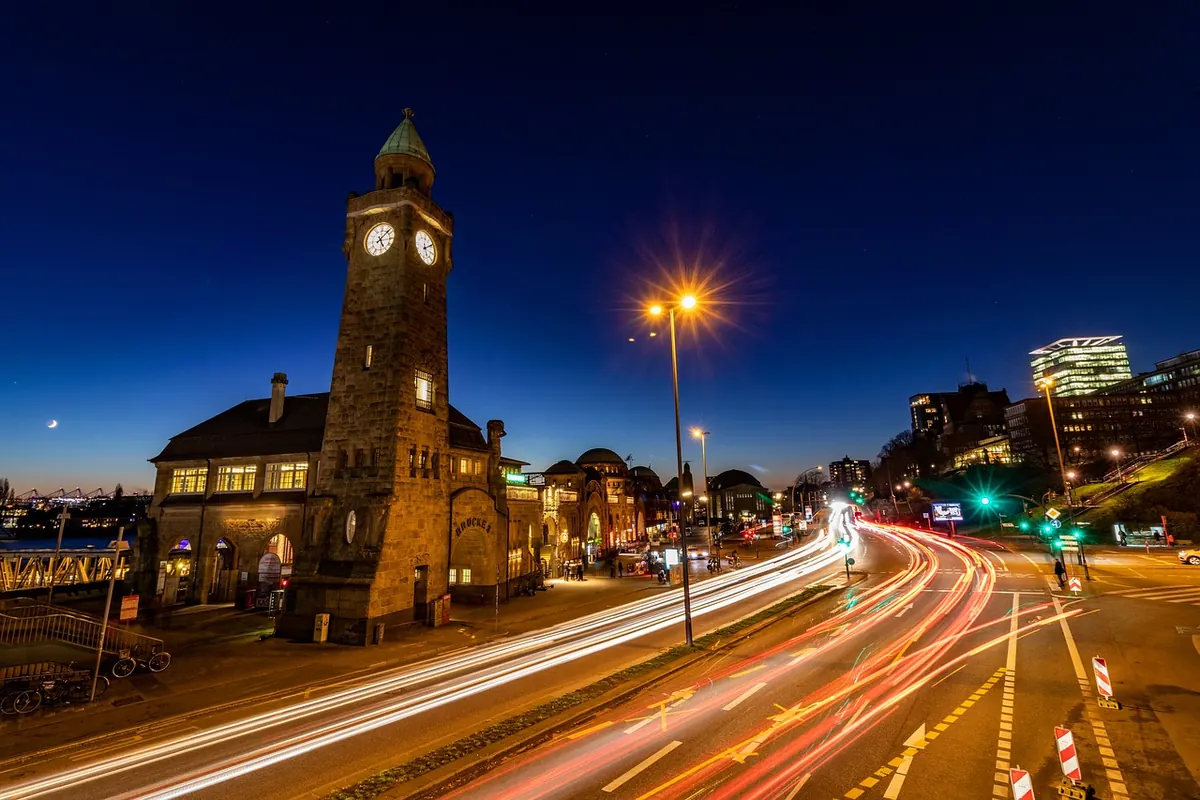
Photo: 2857440 / Pixabay