You can live here for forty years and still feel like a guest. Then one afternoon you catch yourself saying sorry to a doorframe, and something clicks. Being British is less a passport matter than a collection of small, involuntary behaviours — muscle memory built out of kettles, drizzle and mild embarrassment. Read the list below. If you tick more than a handful, you are, for all practical purposes, one of us.
The Kettle Is Always the Answer
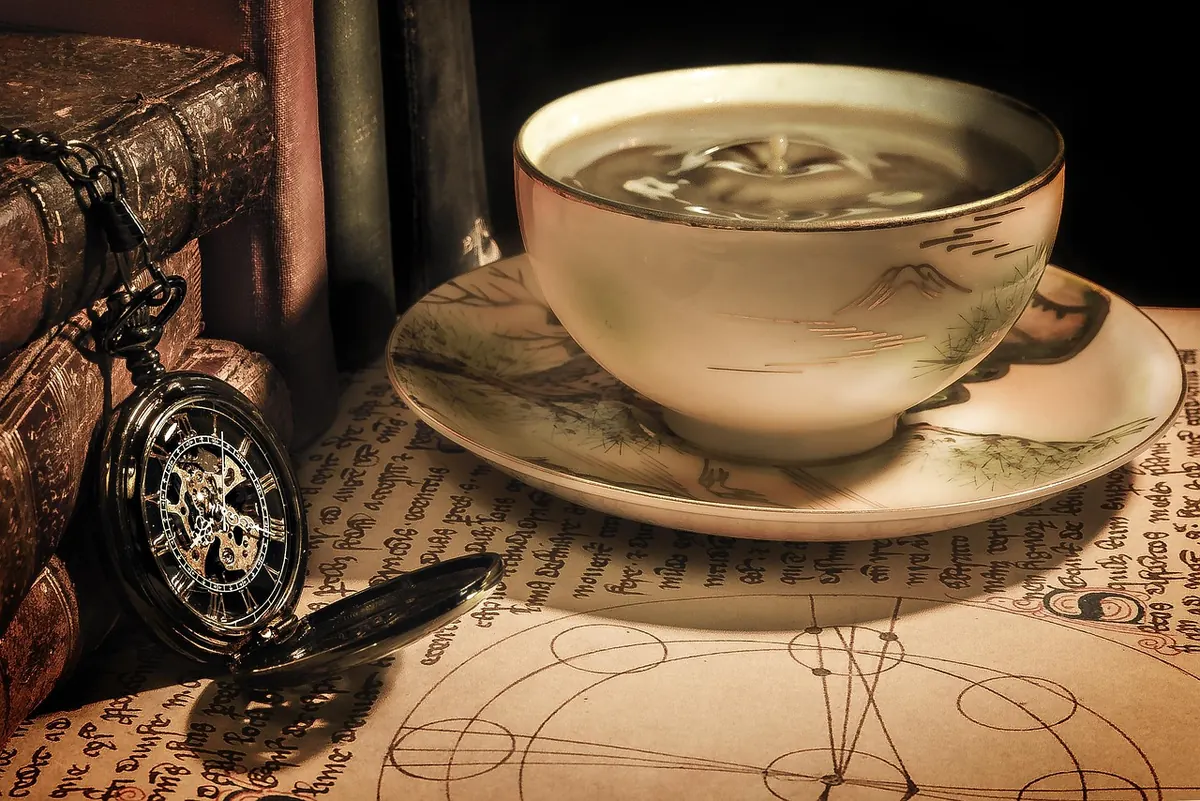
Ask a British person how to handle bad news and they will tell you to put the kettle on. Ask them how to celebrate good news and the answer is much the same. Tea is not really a drink here; it is a system of emotional first aid, and everyone quietly believes their method is the correct one.
You know you're a Brit when:
- You have firm views on brewing time and are mildly appalled by anyone who leaves the bag in the mug.
- You've said "ooh, go on then" to a cup you didn't want.
- You consider tea a reasonable remedy for shock, grief, minor DIY injuries and Tuesday.
- You can tell within one sip whether a cup was made with care or resentment.
There is a hierarchy to it. Tea at home is good. Tea made by someone who cares is better. Tea in the chipped mug that is yours and nobody else's is the finest tea in the world.
Sorry Is a Reflex, Not an Admission
The country runs on apology. It is a greeting, a punctuation mark and an escape route, and nobody means it in the literal sense — which is precisely why it works.
The sorry scale
- Sorry? — You didn't catch that and would like it repeated.
- Sorry, can I just...? — You are about to inconvenience somebody slightly and wish to soften the blow.
- Sorry, sorry. — Said in a doorway. The other person is also sorry. Neither of you has the faintest idea who was at fault.
- So sorry. — You have done something mildly wrong and are now prepared to die of shame about it.
- Sorry about that. — Heavily ironic. Reserved for people who barged past you without apologising at all.
Then there is the furniture. You stand up too quickly, clip the corner of the table and apologise to it. You nudge a chair and say sorry. You apologise to a dog for stepping over it. Nobody else is in the room, and you still feel obliged to check whether the furniture has taken offence.
Weather: The Only Entirely Safe Topic
Weather talk isn't filler; it's infrastructure. It lets two strangers acknowledge each other's existence on a station platform without committing to anything more. "Ooh, bit parky" is not a forecast. It's a handshake.
The rule is agreement with a small twist. "Lovely day" invites "about time too". "Typical" covers rain in July, snow in March and a heatwave lasting precisely one afternoon. Then you must mention the last time it was like this, vaguely. Nobody remembers the year, and nobody asks.
You know you're a Brit when you've worn a coat over summer clothes, carried an umbrella you never opened, and described the same temperature as "boiling" and "a bit close" within the space of an hour.
Queueing Is a Sacred Duty
The queue is our finest civic institution: self-policing, mostly silent and remarkably efficient. There is rarely a sign and never any doubt about where the back of it is.
- You have joined a queue without checking what it was for.
- You have tutted at a queue-jumper and then apologised for the tut.
- You have stood in a queue for a bus you had no intention of catching.
- You feel faintly unwell when a queue is disorganised, and quietly proud when one forms on its own.
The tut is a language. One tut means mild disapproval. A sigh plus a pointed glance at the phone means somebody is testing your patience. If a stranger catches your eye and raises their eyebrows at the offender, you have made an ally for life. You will never speak. You will never learn their name. But something has been acknowledged, and the queue will hold.
Food Fights, Conducted Politely
Certain dishes are less food than identity. Beans on toast is a meal, a mood and a scandal, depending on whether the beans have touched the egg. The Sunday roast has protocol nobody can quite recite, yet everyone enforces it, and the roast potato is an emotive subject for reasons no one has ever explained.
Then there is the scone question. Jam first or cream first is a regional matter, and getting it wrong in the wrong county is a genuine social error. Whether a Jaffa Cake is a cake or a biscuit has been argued somewhere official and remains unresolved in the pub.
Crisps deserve their own paragraph. The best flavour is always the one being discontinued. The bag is mostly air. You will still insist they were better years ago, and you will still buy a bag at a service station for a journey of ninety minutes.
Household Rituals No Visitor Understands
Every home has its own dialect. The big light is for emergencies and special occasions. The thermostat is a battlefield with a unilaterally agreed number and no negotiation. There is a drawer containing bags, and a cupboard where the good biscuits live, and it is not for guests.
You may also recognise the following
- Not putting the heating on until at least one person has added a second jumper, and even then only after a discussion.
- Saying "just going to put a wash on" as though it required announcing, planning and moral support.
- Standing in the garden in a stiff breeze declaring it warm enough for a barbecue.
- Peeling extra potatoes "for afters" that were never discussed.
And the indirectness. "I'll bear it in mind" means no. "That's brave" means questionable. "With respect" means you are about to be dismantled at length. "We'll see" is a soft no that can be revisited but almost certainly won't be.
What to Do With All This
Treat the list as a mirror rather than a rulebook. If anything here made you wince with recognition, you have been here longer than you thought, wherever you happened to be born. Being British is mostly a set of habits picked up by accident: the kettle, the queue, the apology, the weather chat that keeps everything moving gently along.
Three practical uses. Read it aloud at a family dinner and watch the argument about scones begin. Count your ticks privately, then deny having taken the test at all. And the next time you walk into a chair and apologise without thinking, take it as a sign. You're home.
Photo: Pexels / Pixabay